Energy
 Aviation
 Automotive
 Manufacturing
 Maintenance services
 Medical
Maintenance services
The Use of Augmented Reality in Service Operations
Supporting Service Operations with Augmented Reality
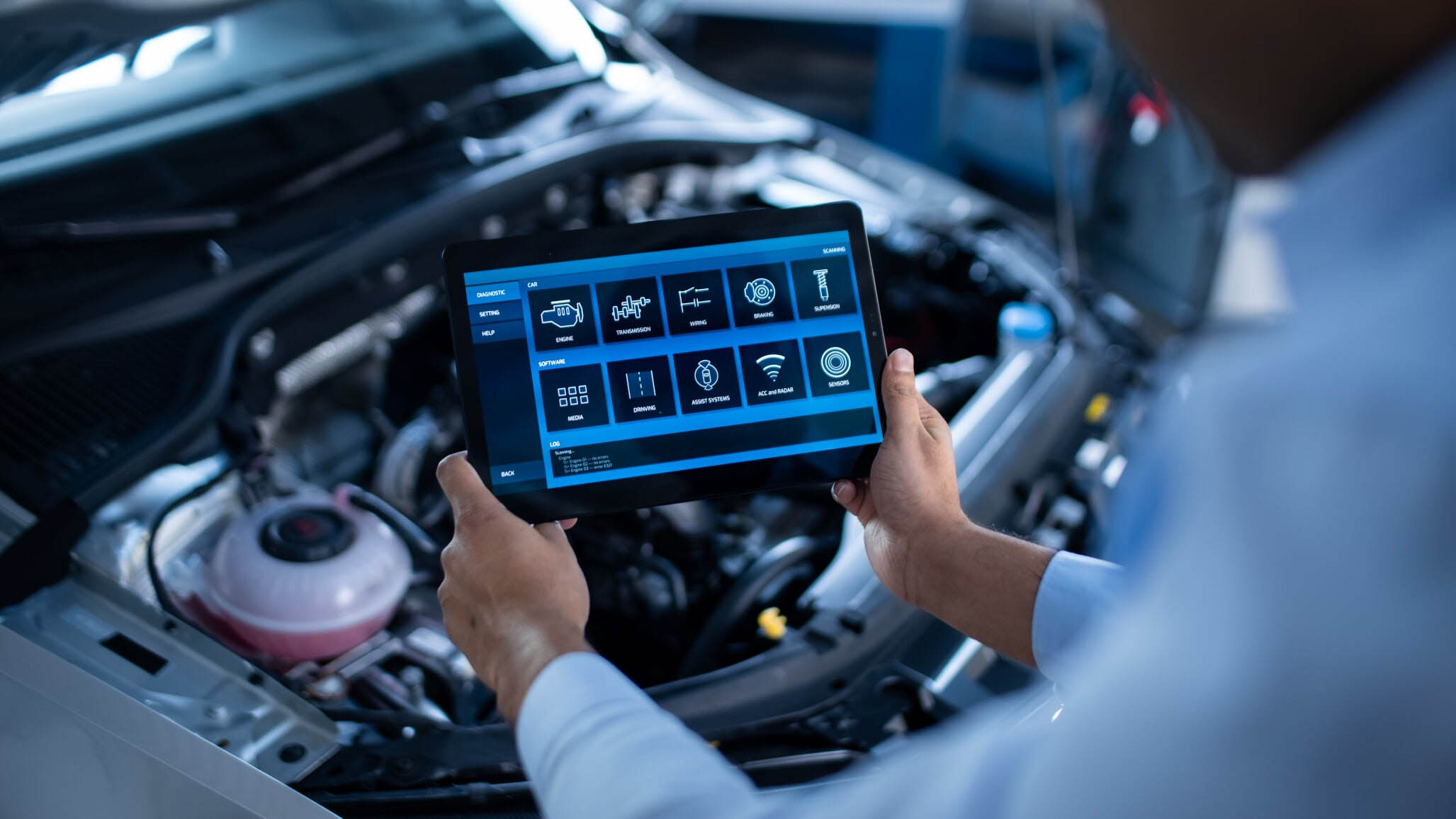
In recent years, Augmented Reality (AR) has become one of the key technologies driving digital transformation in service operations. This technology enables digital information, instructions, or 3D models to be overlaid directly onto the real-world environment, viewed through AR glasses, tablets, or smartphones.
As a result, service technicians can receive real-time instructions, diagnose issues, and collaborate with experts located anywhere in the world. This approach introduces a new model for delivering service operations—one that is faster, more efficient, and more cost-effective.
Key Applications of AR in Maintenance Services
1. Remote Expert Assistance
One of the most widely adopted applications of AR is remote technical support. A field technician can share a live video feed from their device with a remote expert who sees exactly the same equipment or installation.
The expert can:
-
draw annotations directly on the technician’s view,
-
highlight specific components,
-
overlay instructions or 3D models.
This approach significantly improves communication between field technicians and experts, allowing problems to be resolved more quickly. In many cases, it eliminates the need for experts to travel to the service location.
2. AR-Based Service Instructions
Augmented Reality enables step-by-step service instructions to be displayed directly on the equipment being serviced.
Technicians can see:
-
animated assembly or disassembly instructions,
-
highlighted components,
-
diagnostic data and operational parameters.
This reduces the risk of errors and shortens repair times. The technology is particularly useful for servicing complex industrial machinery, energy infrastructure, and telecommunications equipment.
3. Diagnostics and Access to Technical Data
AR can also be integrated with systems such as:
-
IoT platforms
-
Computerized Maintenance Management Systems (CMMS)
-
Field Service Management systems
By simply looking at a machine, technicians can instantly access:
-
service history,
-
operational parameters,
-
alerts and diagnostic messages.
This immediate access to information improves situational awareness and significantly accelerates the diagnostic process.
4. Training and Support for New Technicians
Augmented Reality is also transforming how service personnel are trained.
New technicians can perform tasks in real working environments while receiving digital guidance and support from experienced experts.
This approach enables:
-
faster onboarding of new employees,
-
learning through practical experience,
-
reduced training costs.
Technicians gain knowledge while performing real tasks, which greatly improves knowledge retention and operational readiness.
Key Benefits of AR in Maintenance Services Operations
1. Faster Repair Times
With visual guidance and remote expert support, technicians can diagnose and resolve issues much faster.
AR improves key service performance indicators such as:
-
Mean Time to Repair (MTTR)
-
First Time Fix Rate (FTFR)
2. Reduced Operational Costs
Remote assistance significantly reduces:
-
travel requirements for experts,
-
the number of on-site service visits,
-
logistical costs.
In many cases, issues can be resolved during a single remote support session.
3. Increased Equipment Availability
Faster diagnostics and repairs lead to:
-
reduced production downtime,
-
higher equipment availability,
-
improved operational efficiency.
4. Improved Workplace Safety
Technicians can perform complex service operations with the assistance of digital instructions and remote experts.
This reduces the risk of mistakes and helps improve overall workplace safety, especially when working with complex or hazardous equipment.