Energy
 Aviation
 Automotive
 Manufacturing
 Maintenance services
 Medical
Medical
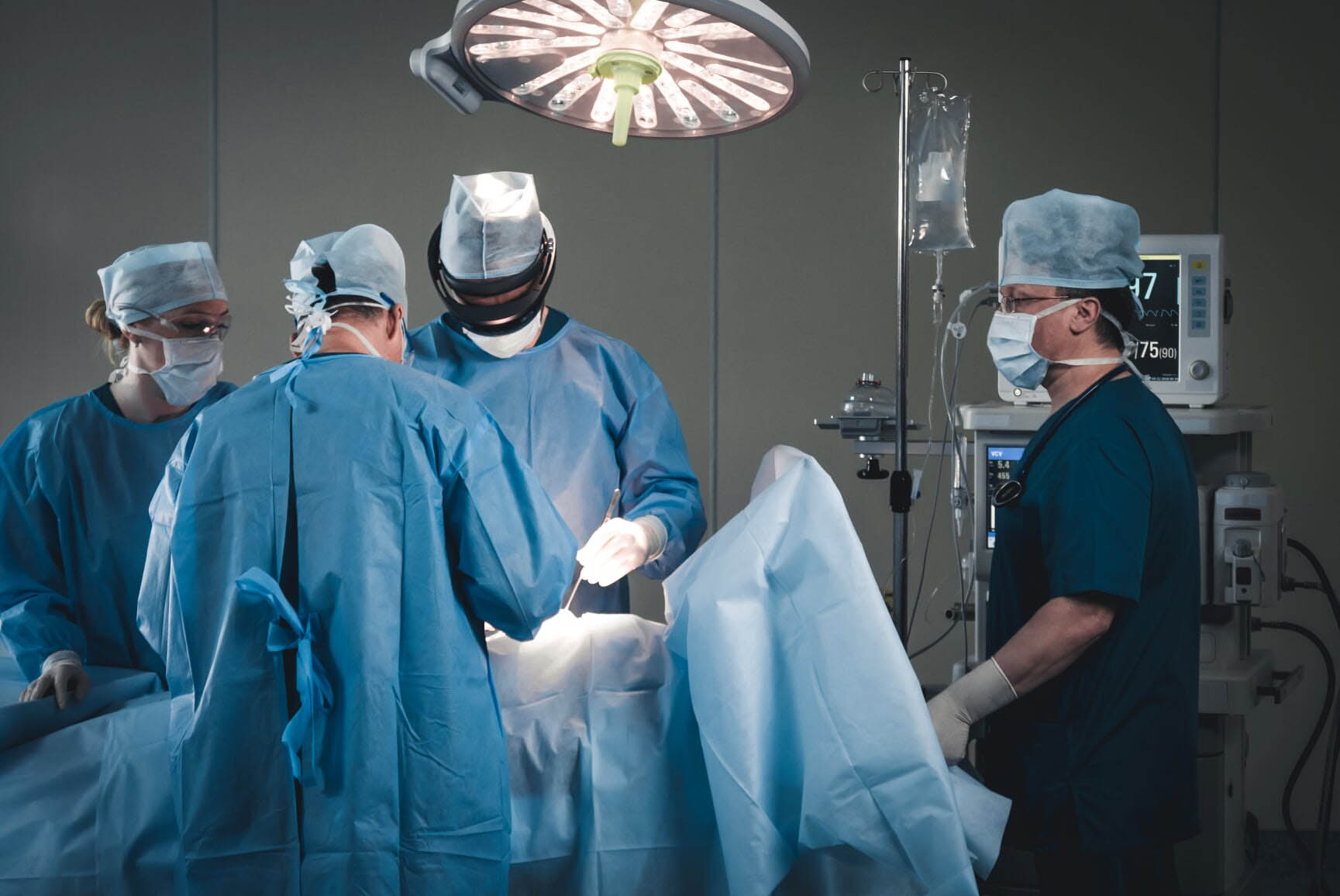
Smart Solutions for Healthcare with Augmented Reality
The implementation of augmented reality (AR) solutions in healthcare is increasingly aligned with the rapidly growing role of telemedicine in modern medical systems. AR technologies elevate telemedicine to a new level by enabling real-time collaboration, advanced diagnostics support, and improved access to medical expertise regardless of location.
AR Solutions support the execution of specialized medical procedures as well as diagnostic and therapeutic processes. They provide valuable assistance to medical teams, physicians, paramedics, and specialists across multiple disciplines, enabling them to work more efficiently, safely, and collaboratively. By integrating digital information directly into the user’s field of view, AR technology helps medical professionals access critical data without interrupting ongoing procedures.
As healthcare systems worldwide face challenges such as workforce shortages, rising operational costs, and the need for faster medical response, AR solutions offer a powerful tool for digital transformation in medical environments.
Key Benefits of AR Solutions for the Healthcare Industry
Compliance with medical procedures
Step-by-step digital instructions guide medical staff through complex procedures, helping ensure adherence to clinical protocols and reducing the risk of human error.
Hands-free operation in sterile environments
AR devices such as smart glasses allow medical professionals to access information and communicate using voice commands, enabling hands-free work in sterile conditions.
Real-time collaboration between specialists
Medical teams can consult remotely with specialists who are not physically present at the site. This is especially valuable in emergency medicine, rural healthcare facilities, or during complex procedures requiring expert input.
Immediate access to medical data
Patient records, imaging results, treatment protocols, and other clinical documentation can be displayed directly within the user’s field of vision, supporting faster and more informed decision-making.
Fast information exchange between medical teams
Medical files, patient examination results, and documentation can be transmitted instantly between departments or specialists, accelerating diagnosis and treatment.
Support for emergency teams and remote medical facilities
AR solutions enable paramedics and medical personnel working without a physician on-site to receive real-time guidance from specialists, improving the quality of care during emergencies.
Event and procedure documentation
Medical interventions, including accident scene assessments and clinical procedures, can be recorded and documented directly through AR devices. Data such as patient symptoms, vital signs, and procedural steps can be captured in real time.
Addressing Healthcare System Challenges
Medical specialists are not always available when urgent situations arise. The need to relocate specialists between facilities significantly increases healthcare system costs and can delay critical treatment.
AR Solutions based on smart glasses and augmented reality technology help mitigate these challenges by enabling remote expertise and reducing the need for physical travel by specialists. This approach minimizes mobility constraints while improving the speed and availability of professional medical support.
In many cases, the use of AR tools allows healthcare professionals to deliver faster, more accurate, and higher-quality medical care, particularly in time-critical situations such as trauma response, emergency medicine, and field operations.
Step-by-Step Medical Procedures with Digital Checklists
AR systems can incorporate a task module and procedural checklists that guide the user step by step through complex medical workflows. These digital checklists ensure that procedures are performed precisely and in accordance with established safety and quality standards.
The ability to consult experts remotely in real time enables faster decision-making when immediate action is required. Such solutions are particularly valuable in emergency departments, intensive care units, and surgical environments where delays can significantly impact patient outcomes.
Hands-Free Medical Devices and Smart Glasses
Head-mounted displays used in AR systems provide medical personnel with complete freedom of movement. Through voice commands and intuitive controls, users can access information, communicate with remote specialists, or record procedures without using their hands.
Adjustable display arms allow the screen to be positioned comfortably without obstructing the user’s field of vision. Medical staff can activate or move the display only when needed, maintaining full situational awareness while performing critical tasks.
Training, Education, and Knowledge Sharing
Video streaming and recording of surgical operations or medical procedures can be particularly valuable for teaching hospitals, medical universities, and professional training programs. The camera perspective from AR devices allows viewers to see exactly what the operator sees.
This capability enables surgeons, instructors, and medical students to participate in procedures in real time from anywhere in the world, significantly enhancing training opportunities and facilitating global knowledge exchange within the medical community.
The Future of AR in Healthcare
As healthcare systems continue to adopt digital technologies, augmented reality is expected to play an increasingly important role in remote care, medical training, surgery support, and emergency response. By combining real-time data access, remote expertise, and intuitive hands-free interaction, AR Solutions help improve both the efficiency of healthcare systems and the quality of patient care.
In the coming years, AR technology will likely become an essential component of modern, connected, and intelligent healthcare infrastructure, supporting medical professionals in delivering safer, faster, and more effective treatment.