Energy
 Aviation
 Automotive
 Manufacturing
 Maintenance services
 Medical
Production

Digital Transformation in the Manufacturing Industry
Digital transformation and the implementation of Industry 4.0 principles represent both a major challenge and a significant opportunity for the manufacturing sector. Modern manufacturing companies must address increasing competition, pressure to shorten production cycles, reduce operational costs, and maintain the highest quality standards for their products.
Future productivity growth in manufacturing will largely depend on companies’ ability to adapt to new technological standards driven by digital transformation. Organizations are increasingly investing in advanced IT solutions, automation technologies, data analytics, and digital tools that support employees in real time.
To meet these demands, companies implement process and organizational solutions that optimize production workflows, increase operational transparency, and improve the flow of information between employees, systems, and machines. One of the technologies supporting these efforts is Augmented Reality (AR), which enables digital assistance directly at the workplace.

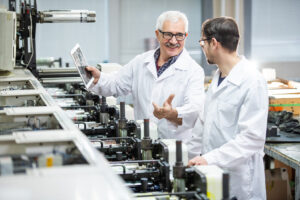
Process Monitoring and Maintenance Management
An effective maintenance strategy is one of the key factors influencing the productivity and stability of manufacturing operations. Even short machine downtimes caused by failures or operational errors can lead to workflow disruptions, production delays, and increased operational costs.
Modern manufacturing facilities increasingly use digital tools to monitor equipment performance, perform diagnostics, and manage maintenance operations. This allows companies to quickly respond to potential issues, minimize downtime, and increase machine availability.
AR technologies enable maintenance technicians to access service instructions, technical schematics, and diagnostic data directly within their field of view. This significantly accelerates the process of identifying and resolving technical issues.
Supporting Preventive Maintenance
Inspection activities carried out within preventive maintenance programs can be significantly enhanced through the use of AR Solutions. These technologies support technicians in performing diagnostic tasks, analyzing operational parameters, and conducting routine inspections of key equipment components.
Digital checklists and task assignments help ensure that critical elements of the production infrastructure are regularly monitored. Step-by-step instructions displayed through AR devices allow technicians to perform maintenance procedures accurately, reducing the risk of human error and shortening task completion time.
Data collected during these operations can be continuously analyzed to maximize equipment efficiency, optimize maintenance schedules, and prevent potential failures. The AR Solutions platform also enables managers and operational supervisors to monitor and evaluate selected processes in real time based on data gathered through the application.
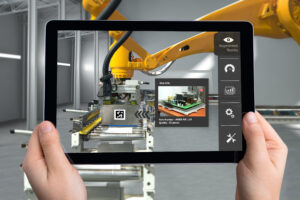

Augmented Reality in Production Processes
The implementation of augmented reality solutions within the AR Solutions platform can significantly influence several critical aspects of manufacturing operations.
AR technology enables workers to access digital work instructions, component visualizations, and technical information in real time. As a result, production processes become more transparent, and employees can respond more quickly to potential issues.
The implementation of AR solutions contributes to:
-
improved machine availability and reduced production downtime,
-
increased equipment productivity and operator efficiency,
-
higher quality of manufactured products,
-
improved control and optimization of production processes,
-
more effective production management,
-
enhanced employee training and knowledge transfer,
-
faster onboarding of new workers in production environments.
By integrating augmented reality technology with production management systems and data analytics platforms, companies can gain deeper insights into their operations and significantly increase their competitiveness while adapting more effectively to changing market conditions.