Energy
 Aviation
 Automotive
 Manufacturing
 Maintenance services
 Medical
Augmented Reality in Wind Turbine Maintenance – A Case Study from GE Renewable Energy
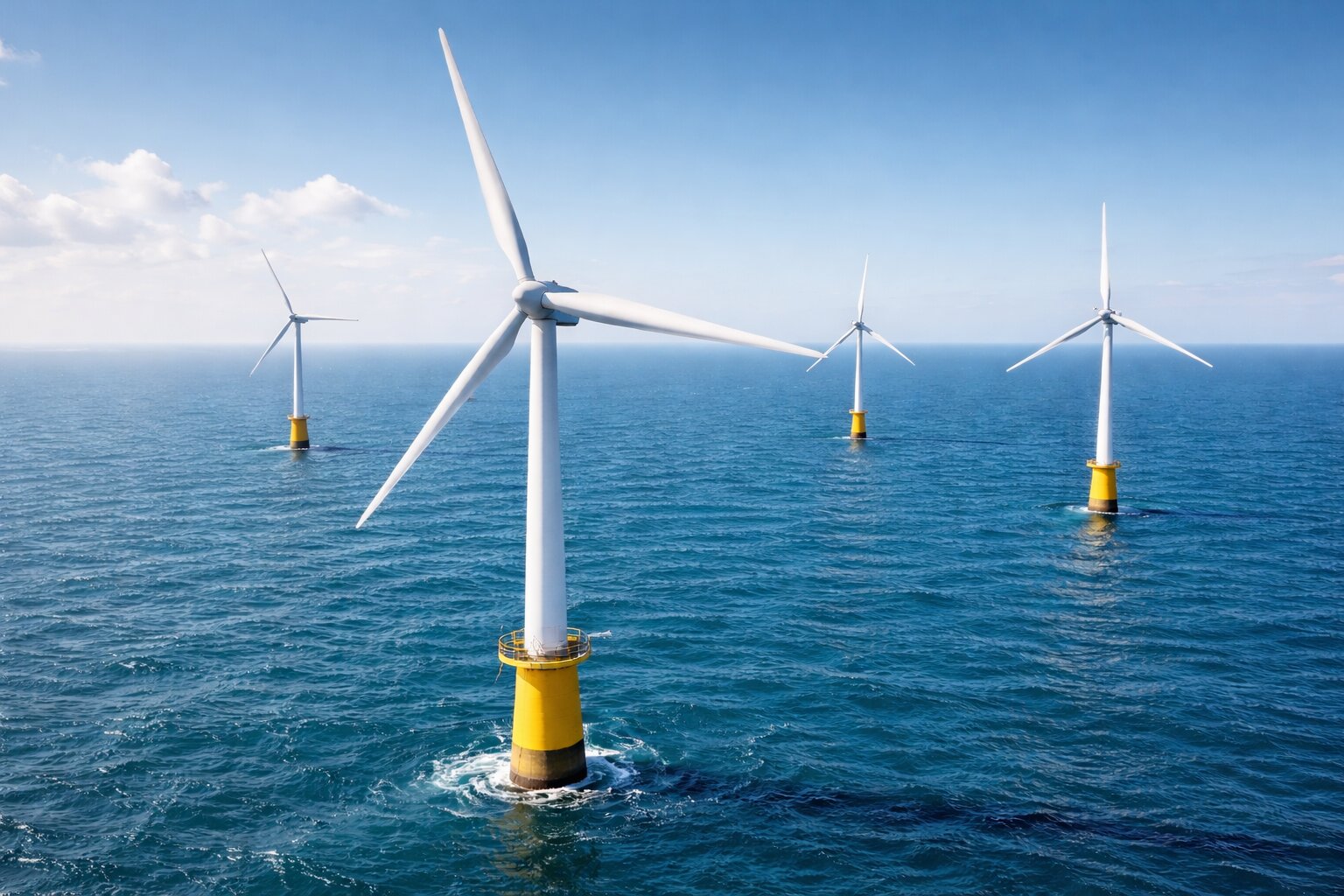
The wind energy sector is increasingly adopting augmented reality (AR) to improve the efficiency of installation, inspection, and maintenance work on wind turbines. One notable example is the use of this technology by GE Renewable Energy, which tested AR smart glasses to guide technicians through complex service procedures.
How the Implementation Worked
In one of its projects, GE conducted a test involving the installation of wiring inside a wind turbine. The technicians were divided into two groups:
- the first group used traditional paper manuals,
- the second group used augmented reality smart glasses, which displayed instructions directly in the technician’s field of view.
The AR glasses provided the technician with:
- step-by-step installation instructions,
- electrical wiring diagrams,
- photos and short instructional videos,
- digital checklists allowing workers to confirm completed tasks.
As a result, technicians did not need to stop their work to consult documentation—all required information was available in real time while performing the task.
Results of Using AR
The test results showed a significant improvement in work efficiency. Technicians using AR smart glasses:
- completed the task about 34% faster than those using paper documentation,
- made fewer installation errors,
- required less support from senior engineers.
Additionally, the technology made it easier to onboard new technicians and helped standardize maintenance procedures across teams.
Where the Technology Can Be Used
Based on GE’s experience, AR solutions can support many aspects of wind turbine operations, including:
- installation of electrical wiring and control components,
- field troubleshooting and diagnostics,
- routine turbine inspections,
- training of new technicians,
- remote expert assistance.
AR technology allows technicians to see technical instructions, component visualizations, and operational data directly in their field of view, which significantly simplifies complex maintenance procedures.
Key Benefits
Implementing augmented reality in wind turbine maintenance provides several important advantages:
- faster maintenance operations,
- reduced number of errors,
- more efficient training of new technicians,
- improved safety, especially when working in difficult or elevated locations.
For wind farm operators, this translates into shorter turbine downtime and lower maintenance costs, which is crucial for maximizing the performance of renewable energy infrastructure.
Sources:
- BrainXChange – Embracing Digital Transformation: Real-Life Use Cases in Energy and Utilities
https://www.brainxchange.com/blog/embracing-digital-transformation-real-life-use-cases-in-energy-and-utilities - Upskill / GE Renewable Energy – Wind Turbine Wiring Productivity Study Using Smart Glasses
https://www.youtube.com/watch?v=n5LhQqggGTE - Softeq – Augmented Reality in Energy and Utilities: Use Cases
https://www.softeq.com/blog/augmented-reality-in-energy-and-utilities-application-areas-and-real-life-examples - Leadvent Group – How Augmented Reality Can Enhance Wind Farm Operations and Maintenance
https://www.leadventgrp.com/blog/how-augmented-reality-ar-can-enhance-wind-farm-operations-and-maintenance